Orthopaedic & Robotic Joint Replacement Surgeon in Chennai Call: 94450 32227
Orthopaedic Trauma Care

Orthopaedic Trauma in Chennai | Fracture & Injury Treatment

Orthopaedic trauma can result from road accidents, falls, sports injuries, workplace accidents, or other sudden physical injuries. These injuries may affect the bones, joints, muscles, ligaments, tendons, and other supporting structures.

Dr. Balachandar provides personalized orthopaedic trauma care focused on accurate diagnosis, appropriate treatment, injury management, rehabilitation, and restoration of movement and function.

Comprehensive Care

What Does Comprehensive Orthopaedic Trauma Care Include?

Orthopaedic trauma care involves the evaluation, diagnosis, treatment, and rehabilitation of injuries affecting the bones, joints, muscles, ligaments, tendons, and other musculoskeletal structures.

Depending on the injury, orthopaedic trauma care may include:

  • Clinical assessment and diagnosis
  • Injury and movement assessment
  • X-rays and appropriate imaging
  • Fracture management
  • Dislocation treatment
  • Immobilization and supportive measures
  • Bracing or casting
  • Pain-management medication
  • Wound and soft-tissue assessment
  • Physiotherapy and rehabilitation
  • Strengthening and mobility exercises
  • Fracture fixation procedures in selected cases
  • Joint and ligament injury treatment
  • Post-injury recovery planning

A clinical examination, medical history, and appropriate imaging may be used to understand the extent of the injury and determine the most suitable treatment approach.
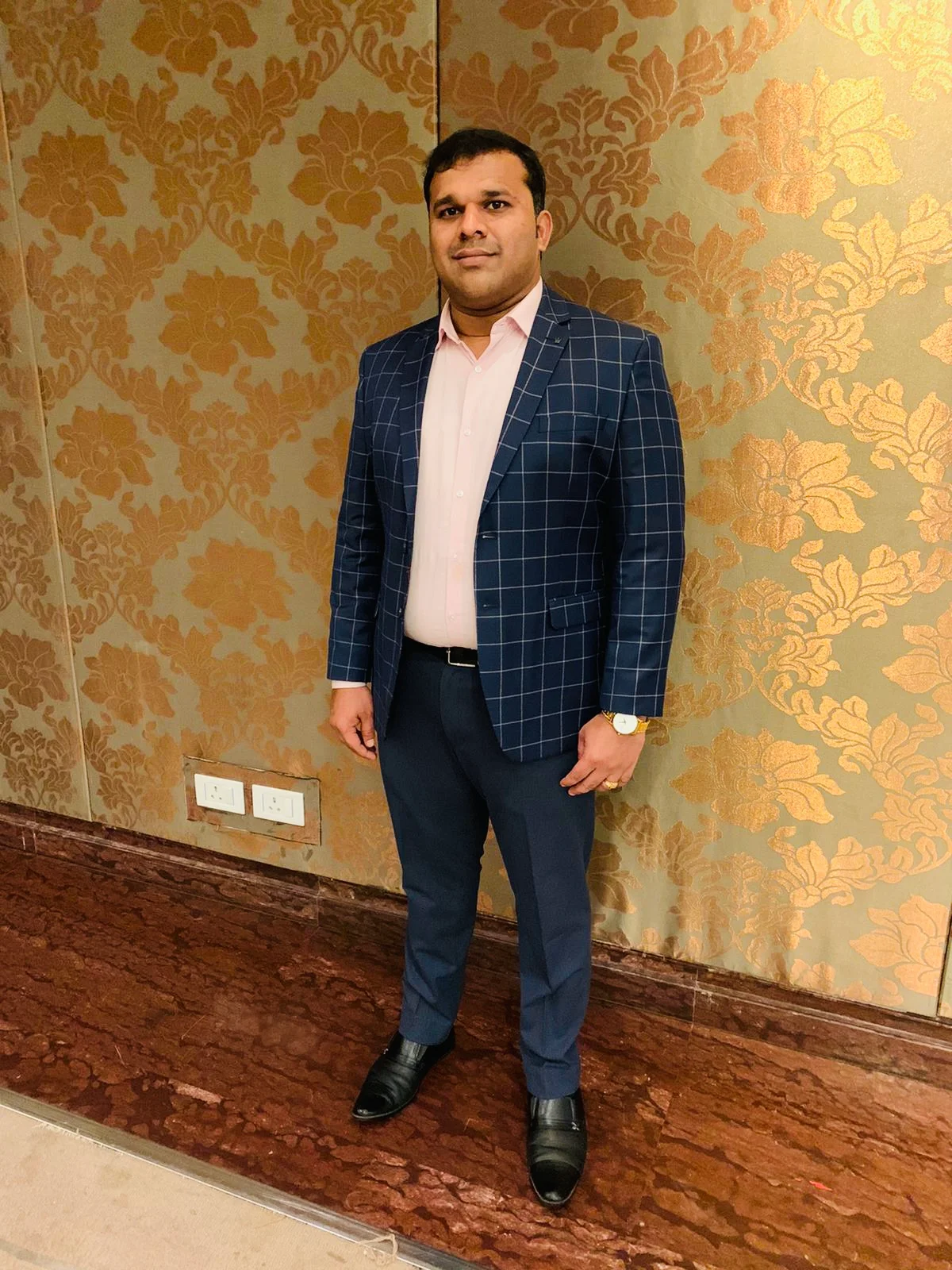
Dr. Balachandar M Orthopaedic Trauma Specialist in Chennai
Trauma Conditions

Conditions We Treat

01

Bone Fractures

Fractures can occur following falls, accidents, sports injuries, or other forms of trauma. Treatment depends on the location, type, alignment, and severity of the fracture.

02

Joint Dislocations

A dislocation occurs when the bones forming a joint move out of their normal position. It can result from an accident, fall, sports injury, or other significant trauma.

03

Sports-Related Injuries

Sports activities can result in fractures, ligament injuries, tendon injuries, muscle injuries, and joint problems. Treatment depends on the type and severity of the injury.

04

Road Traffic Injuries

Road traffic accidents can cause injuries involving multiple bones, joints, muscles, and soft tissues. Orthopaedic evaluation helps determine the extent of injury and appropriate treatment.

05

Workplace Injuries

Workplace accidents may result in fractures, dislocations, soft-tissue injuries, and other musculoskeletal problems. Treatment depends on the affected body part and severity.

06

Ligament Injuries

Ligaments help stabilize joints and can be damaged during falls, sports injuries, or other traumatic events. Treatment depends on the location and severity of the injury.

07

Tendon & Muscle Injuries

Sudden trauma can cause injuries to muscles and tendons. Symptoms may include pain, swelling, weakness, tenderness, and difficulty moving the affected area.

08

Hand & Wrist Injuries

Falls and other traumatic events can cause fractures, dislocations, ligament injuries, and soft-tissue problems involving the hand and wrist.

09

Ankle & Foot Injuries

The ankle and foot may be affected by fractures, sprains, dislocations, ligament injuries, and other traumatic conditions following falls, sports injuries, or accidents.

10

Knee & Shoulder Injuries

Trauma can affect the bones, ligaments, tendons, cartilage, and other structures around the knee and shoulder. Treatment depends on the injury and its effect on movement and stability.

Symptoms

Symptoms That May Require Orthopaedic Trauma Assessment

Traumatic orthopaedic injuries can present with different symptoms depending on the affected body part and severity of the injury. Common symptoms include:

  • Severe or persistent pain
  • Swelling
  • Bruising
  • Visible deformity
  • Difficulty moving the affected area
  • Reduced range of movement
  • Difficulty walking or putting weight on a limb
  • Joint instability
  • Muscle weakness
  • Tenderness around the injured area
  • Numbness or tingling
  • Difficulty using the affected arm or leg
  • Pain following a fall, accident, or impact
  • Persistent symptoms after an injury

Following significant trauma, prompt medical evaluation is important to determine the extent of the injury and identify the appropriate treatment.

Treatment Options

Treatment & Procedure Options

The appropriate treatment depends on the type and severity of the injury, affected body part, fracture pattern, joint stability, soft-tissue involvement, general health, and individual recovery requirements.

Non-Surgical Trauma Treatment

Selected fractures and other orthopaedic injuries can be managed without surgery. Depending on the injury, treatment may include:

  • Immobilization
  • Casting
  • Bracing or splinting
  • Activity modification
  • Pain-management medication
  • Physiotherapy
  • Mobility exercises
  • Strengthening exercises
  • Gradual return to physical activity
  • Follow-up imaging and clinical assessment

The goal of treatment is to support appropriate healing while helping the individual progressively regain movement, strength, stability, and function.

Fracture Management

Fracture treatment depends on the location, type, alignment, and severity of the fracture.

Some fractures may be treated with immobilization, casting, or bracing, while selected fractures may require surgical fixation to restore alignment and stability.

Fracture Fixation Surgery

Surgical fixation may be considered for selected fractures when appropriate alignment or stability cannot be achieved or maintained with non-surgical treatment.

Depending on the injury, fixation may involve plates, screws, rods, or other suitable methods. The treatment approach depends on the fracture pattern and affected bone.

Dislocation Treatment

Dislocations require assessment of the affected joint and surrounding structures.

Treatment may involve repositioning the joint, immobilization, pain management, and rehabilitation. Selected injuries may require further treatment depending on associated fractures, ligament damage, or joint instability.

Soft-Tissue Injury Treatment

Trauma can affect muscles, tendons, ligaments, and other soft tissues around joints.

Treatment may include activity modification, medication, physiotherapy, strengthening exercises, supportive measures, and other appropriate interventions depending on the injury.

Post-Trauma Rehabilitation

Rehabilitation is an important part of recovery following many orthopaedic injuries.

  • Restoring joint mobility
  • Improving muscle strength
  • Improving flexibility
  • Improving balance and coordination
  • Improving joint stability
  • Correcting movement patterns
  • Gradually increasing weight-bearing or physical activity
  • Returning to normal daily activities

The rehabilitation program is adjusted according to the individual's injury, treatment, symptoms, progress, and functional requirements.

Return to Activity Planning

Returning to work, exercise, sports, or other physical activities following trauma should be gradual.

The timing depends on the type of injury, treatment provided, healing progress, strength, movement, stability, and physical demands of the activity.

Qualifications

Education & Fellowships

Dr. Balachandar has undertaken formal medical education and advanced fellowship training in specialised areas of orthopaedic surgery.

Academic Qualifications

MBBS Pondicherry Institute of Medical Sciences
MS Orthopaedics Chettinad Hospital & Research Institute

Advanced Fellowships

FIJR – Fellowship in Joint Replacement Surgery Fortis Hospital, Bangalore
FIAA – Fellowship in Advanced Arthroplasty Zuyderland Medical Centre, Netherlands
FASM – Fellowship in Arthroscopy & Sports Medicine ASST Pini–CTO, Italy

His fellowship training has provided advanced exposure to joint replacement surgery, arthroplasty, arthroscopy, and sports medicine.

Personalized Treatment

Why Choose Dr. Balachandar?

Orthopaedic trauma requires treatment that considers not only the immediate injury but also bone and joint stability, movement, physical function, and the individual's recovery requirements.

Dr. Balachandar M evaluates each patient individually and develops a treatment and rehabilitation plan based on the type of injury, clinical findings, imaging, affected body part, activity level, and functional requirements.

Patient Experience

Customer Review

(Customer Review)

Recovery

Recovery & Rehabilitation

Recovery from an orthopaedic injury depends on the type and severity of the injury, treatment provided, healing progress, and the individual's rehabilitation.

For patients undergoing non-surgical treatment, rehabilitation may focus on:

  • Restoring movement
  • Reducing pain and swelling
  • Improving strength
  • Improving flexibility
  • Improving balance and stability
  • Gradually increasing weight-bearing or activity
  • Restoring normal movement patterns
  • Returning to daily activities

Following fracture fixation or other orthopaedic procedures, rehabilitation may involve progressive exercises, mobility training, strengthening, balance work, and gradual return to normal physical activities.

The timeline for returning to work, exercise, training, and other physical activities varies between individuals. Return to activity should be guided by the treating Orthopaedic team and based on healing and functional progress.

FAQ

Frequently Asked Questions

1. What is orthopaedic trauma?

Orthopaedic trauma focuses on the diagnosis, treatment, and rehabilitation of injuries affecting the bones, joints, muscles, ligaments, tendons, and other musculoskeletal structures.

2. What types of injuries can be treated?

Orthopaedic trauma care can address fractures, dislocations, ligament injuries, tendon and muscle injuries, sports injuries, road traffic injuries, workplace injuries, and other musculoskeletal injuries.

3. Do all fractures require surgery?

No. Some fractures can be managed with casting, bracing, splinting, or other non-surgical treatments. Surgery may be considered for selected fractures depending on their location, alignment, stability, and severity.

4. When should I see an Orthopaedic doctor after an injury?

You should consider an Orthopaedic evaluation following significant trauma, particularly when there is severe pain, swelling, deformity, difficulty moving or walking, joint instability, or persistent symptoms after an injury.

5. How are fractures diagnosed?

Fractures are generally evaluated through a clinical examination and appropriate imaging, such as X-rays. Additional imaging may be considered when required to understand the injury in greater detail.

6. How long does it take to recover from an orthopaedic injury?

Recovery varies depending on the type and severity of the injury, affected body part, treatment, individual health, and rehabilitation progress. Some injuries may recover within a shorter period, while complex fractures and other significant injuries may require longer rehabilitation.

7. Is physiotherapy required after an orthopaedic injury?

Rehabilitation and physiotherapy may be recommended depending on the injury and treatment. It can focus on restoring movement, strength, flexibility, balance, stability, and normal function.

8. When can I return to work or sports after an injury?

Return to work, exercise, or sports depends on the type of injury, healing progress, treatment, strength, movement, stability, and physical demands of the activity. Your Orthopaedic team can guide you through a gradual return to activity.

Orthopaedic Trauma Care

Get the Right Care for Your Orthopaedic Injury

Whether you are dealing with a fracture, dislocation, sports injury, road traffic injury, workplace injury, or another musculoskeletal injury, a specialist evaluation can help identify the extent of the problem and determine an appropriate treatment plan.

Consult Dr. Balachandar M for Orthopaedic Trauma Care.

Appointments

Book Your Orthopaedic Consultation

Discuss your symptoms and treatment options with Dr. Balachandar M.

Call 94450 32227WhatsApp